The Importance of Brushing and Flossing Around Dental Implants
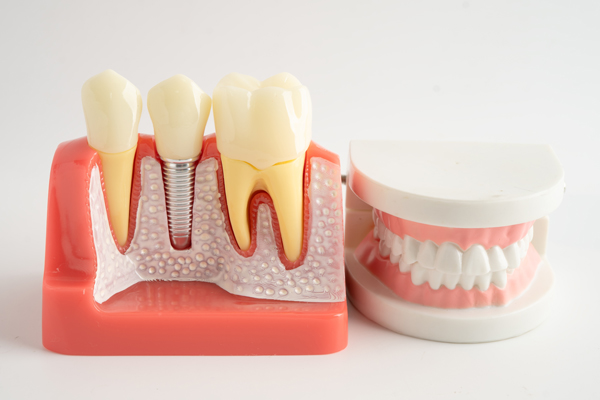
Dental implants can restore chewing function and appearance, but they still require careful daily cleaning. Plaque can collect around the gumline and crown. If it remains, the surrounding tissues may become inflamed and develop peri-implant mucositis. Along with professional monitoring, consistent brushing and interdental cleaning help reduce that buildup and support healthy tissues around the restorations over time.
Brushing helps control plaque around dental implants
A soft-bristled manual or electric toothbrush can clean the crown and gumline without harsh scrubbing. Brushing twice a day helps remove plaque from easy-to-reach surfaces and from the area where the restoration meets the gums. Toothpaste can support daily cleaning, although a dentist may recommend a product based on the restoration and oral health needs.
While tools and products matter, technique matters too. A gentle technique is key because aggressive brushing can irritate the gums or contribute to recession over time. Therefore, when guiding the toothbrush over the natural teeth and any restorations, it is important to apply slight pressure in a continuous circular motion.
Cleaning between dental implants and nearby teeth
A toothbrush cannot reach every surface around dental implants. Floss or another interdental cleaner can remove plaque and food debris from areas between teeth and around implant restorations. Interdental brushes, water flossers, traditional string floss, and other cleaners can help reach spaces that toothbrush bristles may miss. The most effective tool depends on the space, restoration design, and the patient's ability to use it comfortably.
For some implant restorations, a floss threader or implant-specific floss may make it easier to clean beneath a bridge or around the base of a crown. Interdental brushes can also work well when enough space exists between the implant and neighboring teeth. A dentist or dental hygienist can demonstrate a technique that removes plaque without forcing a tool into the soft tissues.
Why gum health matters around implants
Dental implants do not develop cavities, but the gums and bone around them can still develop inflammatory disease. The American Academy of Periodontology explains that peri-implant mucositis involves inflammation of the soft tissues without bone loss, while peri-implantitis also involves deterioration of supporting bone. Common signs include redness, tenderness, swelling, or bleeding around an implant, which can signal a problem that deserves evaluation. Again, good plaque control can lower one important risk factor, but it cannot eliminate every possible cause of peri-implant disease.
Professional care supports home hygiene
Brushing and flossing work best alongside regular professional care. During dental visits, the general dentist can examine the implant restoration, surrounding gums, bite, and nearby teeth for changes. Professional cleaning can remove deposits that home tools cannot remove effectively. The dentist may also adjust the recommended cleaning tools as gum contours, restorations, or oral health needs change over time.
It is worth mentioning that patients with a history of periodontal disease, smoking, diabetes, or difficulty controlling plaque may require closer monitoring. The recall schedule should reflect individual risk rather than follow a one-size-fits-all interval. Consistent professional monitoring helps identify inflammation, restoration problems, or cleaning challenges early.
Call us for more information
Daily brushing and interdental cleaning help protect the tissues surrounding dental implants and support long-term function. Our general dentist can recommend cleaning tools, review technique, and monitor the gums and restoration during routine visits. For more information or to schedule an evaluation for your dental implants, contact our office.
Request an appointment here: https://www.russell-dental.com or call (562) 846-1400 at (562) 846-1400 for an appointment in our Whittier office.
Check out what others are saying about our dental services on Yelp: Dental Implants in Whittier, CA.
Related Posts
A partial denture is a great way to restore not only your smile but also your confidence. This guide will highlight all of the critical aspects of dentures to help you make the best decisions you can.A partial denture is a removable insert in your mouth, filling gaps created by missing teeth with fake replacement…
A dental bridge provides a reliable way to replace missing teeth, but understanding the indicators of dental bridge failure helps patients protect their long-term oral health. This prosthetic appliance consists of custom artificial teeth suspended between two or more supporting dental crowns. While these restorations restore chewing functionality and visual balance, structural complications can arise…
A deep teeth cleaning is a more intensive dental cleaning procedure that goes beyond the standard cleaning performed during regular dental visits. The treatment removes plaque, tartar, and bacteria from below the gum line, addressing issues or severe plaque buildup, which can lead to further oral health complications if left untreated.Several signs may indicate the…
When you look for an Invisalign® dentist, the goal is to achieve a straighter smile without the hassle or appearance of traditional metal hardware and wires. This modern approach to teeth straightening relies on clear aligner sets to shift the teeth into place with high accuracy. The process is straightforward. However, the success requires a…